

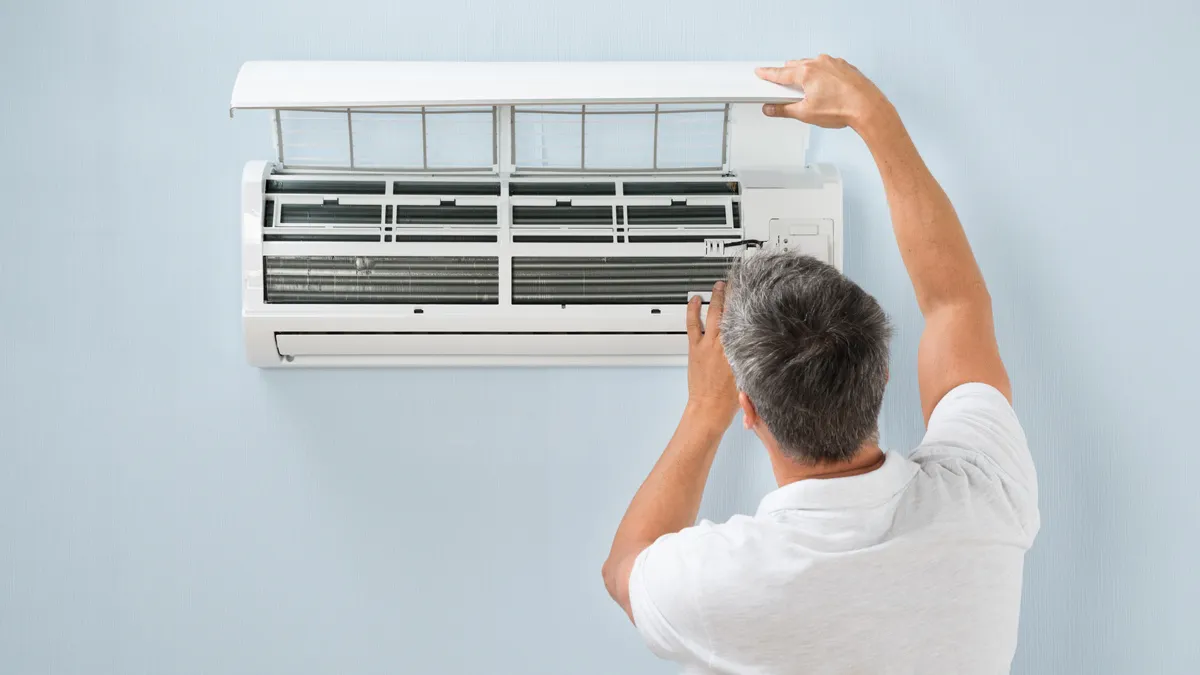
It is one of those maintenance tasks that is easy to put off. Out of sight, out of mind. But neglecting your ducted air conditioning filters is one of the most common reasons systems underperform, run up higher energy bills, and break down well before their time. Here is everything you need to know, including how to clean them properly and when to replace them.
What Are AC Filters?
All ducted air conditioning systems are fitted with removable filters, typically located in the return air grille (the large grille on your ceiling or wall that draws air back into the system). Their job is to trap dust, pollen, pet dander, and other airborne particles before they enter the internal components of your AC system. Think of them like the lungs of your system. Clean filters mean clean air flowing freely through your home. Dirty filters mean your system is struggling to breathe, and everything downstream suffers as a result.
Cleaning your filters regularly is one of the simplest and most effective things you can do to extend the life of your air conditioning system and keep your energy bills in check.
What Happens If You Do Not Clean Them?
Dirty, clogged filters do not just reduce performance — they can cause a chain of problems that become increasingly expensive to fix the longer they are left.1
Restricted Airflow and Poor EfficiencyWhen airflow is blocked, your system works harder to push air through. This means longer run times, higher energy bills, and noticeably weaker heating or cooling in your rooms.
2
Reduced Indoor Air QualityA filter that is full cannot trap any more particles. Those particles then circulate freely through your home, which is a real concern for anyone with allergies, asthma, or young children.
3
Strain on AC MotorsYour system's fan and compressor motors are designed to operate within specific airflow conditions. Restricted flow forces them to work harder than they should, leading to premature wear and tear and potentially costly motor replacements.
4
Clogged Drain Pipes and Water DamageBlocked filters can cause condensation to back up into the indoor unit rather than draining away properly. This often results in water leaks that damage your ceiling and gyprock — a repair bill far more painful than a filter clean.
Heads Up
Water stains on your ceiling near an AC vent are a warning sign. This is often caused by a blocked drain pipe which can stem directly from dirty, neglected filters. If you notice this, book a service call sooner rather than later.
How to Clean Your Filters Correctly
The good news is that cleaning your filters does not require a technician. It is a straightforward job you can do yourself in about 20 minutes. Follow these steps to do it right.1
Turn Your System OffSwitch the system off at the controller before you remove any filters. This prevents the system from drawing unfiltered air through while the filters are out.
2
Remove the Filter from the Return Air GrilleMost return air grilles have a simple latch or clip. Open the grille, slide the filter out carefully, and take it outside before you start cleaning to avoid shaking dust back into the room.
3
Give It a Light Hose DownWe recommend using a gentle hose to wash the filter clean. Hold the hose at a moderate distance and rinse from the clean side through to the dirty side to push debris out rather than further in. Do not use a high-pressure setting as this can damage the filter material.
4
Leave It to Dry Completely in the SunThis step is critical. Reinstalling a damp filter can promote mould growth inside your system. Leave the filter flat in direct sunlight until it is completely dry before putting it back — this usually takes a couple of hours depending on the weather.
5
Reinstall and Switch Back OnOnce fully dry, slide the filter back into position, close the grille securely, and switch your system back on. That is it — done.
Rinse gently, dry completely, reinstall. Simple as that.
Pro Tip
Avoid using a vacuum cleaner to clean your filters. It might seem like a quicker option but the suction can be too strong and actually damage the filter material, reducing its ability to trap particles effectively. Stick with a light hose.
When to Replace, Not Just Clean
Cleaning will only get you so far. If your filter material is showing any of the following signs, it is time for a replacement rather than another clean:- Visible fraying or deterioration of the filter mesh or media
- Tears or holes in the filter material
- Discolouration or residue that does not wash out after a thorough clean
- Persistent musty smell coming from your system even after cleaning
Replacement Is Easy with Air Max
Filter replacements can be carried out during our routine maintenance service. We also stock replacement filter media at our office in Smeaton Grange if you prefer to pick one up and swap it yourself.How Often Should You Clean Your Filters?
As a general rule, we recommend cleaning your filters every 4 to 6 weeks during periods of heavy use (summer and winter). If your home has pets, is located in a dusty area, or someone in the household has allergies, you may need to check them more frequently. A good habit is to tie it to something you already do regularly. Check your filters at the start of each season, especially before you fire the system up for the first time in winter or summer.
If you cannot remember the last time you cleaned your filters, now is the right time. A quick check costs you nothing. A water-damaged ceiling costs considerably more.
Frequently Asked Questions
Can dirty filters cause my AC to stop working?
Yes. In severe cases, a completely blocked filter can cause your system to overheat and shut down on a thermal safety switch. Before calling for a repair, always check and clean your filters first — it can save you a call-out fee.
Can I use a vacuum cleaner to clean my filter?
We do not recommend it. Vacuum suction can be too strong and damage or distort the filter material, reducing its effectiveness. A gentle hose and drying in the sun is the safest and most effective method.
How do I know if my filter needs replacing rather than cleaning?
If the filter media is visibly fraying, torn, or has holes, it needs to be replaced. A damaged filter cannot trap particles properly and can allow debris into your system's internal components. Contact our team or visit our Smeaton Grange office for replacement media.
Why is my ceiling wet near the AC vent?
This is commonly caused by a blocked condensate drain pipe, which can result from a build-up of debris that has bypassed dirty or damaged filters. If you notice water staining or dripping near your AC vents, book a service call as soon as possible to prevent further ceiling or gyprock damage.
Do split system air conditioners also have filters?
Yes. Split system indoor units also have filters, usually accessible by lifting the front panel of the indoor unit. The same cleaning principle applies: remove, rinse gently, dry completely, and reinstall. Check your unit's manual for the correct access method for your model.
