
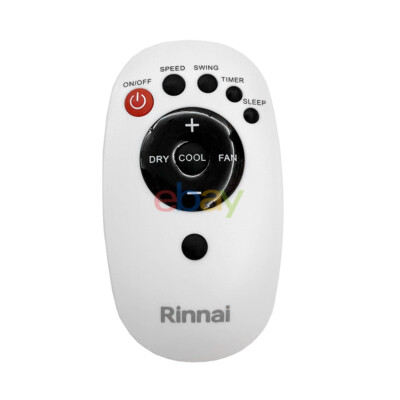
Your Rinnai air conditioner has flashed a code on the display or the remote and now will not operate. Before you call a technician, take a breath. Many Rinnai fault codes are informational — some can be cleared with a simple reset, others point to routine maintenance, and a few do require a qualified technician to attend. This guide walks through the most common Rinnai fault codes in plain English so you know exactly where you stand.
How to Read a Rinnai Fault Code
Rinnai fault codes typically appear as a combination of letters and numbers on your indoor unit’s display panel or on the remote control screen. The code format varies slightly depending on the model range, but you will generally see codes like E1, E3, F0, F1, P0, or similar two-character combinations.
When a fault occurs, the unit will usually:
- Display the fault code on the indoor unit’s LED panel or LCD remote
- Stop operating or reduce to a limited safe mode
- Sometimes flash an indicator light in a pattern corresponding to the code
Always note the exact code shown before attempting a reset. If the code returns after a reset, that information is critical for your technician to diagnose the problem efficiently.
Common Rinnai Fault Codes Explained
Below are the most frequently encountered fault codes across the Rinnai split system and ducted air conditioning range. Rinnai air conditioners are rebadged Haier/Aux units in most cases, and many codes are shared across these platforms.
| Code | Meaning | What to Do | Action Required |
|---|---|---|---|
| E1 | Indoor coil temperature sensor fault | Power off, wait 5 minutes, restart. If code persists, sensor likely needs replacement. | Technician |
| E2 | Indoor ambient temperature sensor fault | Clean the filter and ensure airflow is not obstructed around the return air. Power cycle and retry. | Check First |
| E3 | Outdoor coil temperature sensor fault | Check that the outdoor unit is not blocked or covered. Power cycle. Likely requires technician if persistent. | Technician |
| E4 | Discharge temperature sensor fault (compressor outlet) | Do not attempt to run the system. This sensor protects the compressor from overheating. Call a technician. | Technician |
| E5 | Outdoor ambient temperature sensor fault | Power cycle first. If it persists, sensor replacement is required by a licensed technician. | Technician |
| F0 | Communication error between indoor and outdoor units | Check that the unit has not lost power. Inspect wiring connections at the indoor head if accessible. If not, call a technician. | Technician |
| F1 | Indoor fan motor fault | Turn off the unit. Do not attempt to run it with a fan fault — motor damage can result. Call a technician. | Technician |
| F3 | Outdoor fan motor fault | Check that nothing is blocking the outdoor fan (leaves, debris). Clear any blockage and retry. If it persists, technician attendance is required. | Check First |
| P0 | High pressure protection — system pressure too high | Check outdoor unit airflow. Ensure coil is not blocked. This is a protective shutdown — running through it risks compressor damage. | Technician |
| P1 | Low pressure protection — system pressure too low | Often indicates a refrigerant leak. Do not run the system. Contact a licensed technician immediately. | Technician |
| P2 | Compressor overload / overcurrent protection | Power off and wait 30 minutes before restarting. If it trips again, the compressor or power supply needs inspection. | Technician |
| H3 | High discharge temperature — compressor protection | Check outdoor unit airflow. Possible low refrigerant or dirty coil. Do not run system — contact a technician. | Technician |
| EE | EEPROM (memory) fault — controller board issue | Power cycle the unit. If it persists, the indoor control board likely needs replacement. | Technician |
| 88 | System initialising / power-up cycle | Normal — wait for the unit to complete its startup sequence. If it does not clear within 2 minutes, power cycle. | Normal |
Fault codes related to refrigerant pressure (P0, P1), compressor protection (P2, H3, E4), or communication failures (F0) should never be overridden by repeated resets. Running an air conditioner through a protective fault can cause irreversible compressor damage, which is the most expensive component to replace. When in doubt, turn it off and call a licensed technician.
How to Reset a Rinnai Air Conditioner
A basic power cycle is the correct first step for most fault codes. Here is how to do it properly:
- Step 1: Turn the unit off at the remote or wall panel, then press the power button on the indoor unit itself if accessible.
- Step 2: Switch off the circuit breaker for the air conditioner at your switchboard. Leave it off for at least 5 minutes — not 30 seconds. Many fault resets require a full capacitor discharge.
- Step 3: Switch the breaker back on and wait for the unit to complete its startup cycle (you will usually hear a click from the indoor unit as it initialises).
- Step 4: Turn the system on using the remote and monitor whether the fault code returns within the first few minutes of operation.
If the fault code returns within a short period of operation, it is telling you the underlying problem has not been resolved. Note the exact code, stop running the unit, and book a professional air conditioning repair before running it further.
When to Reset vs When to Call
A reset is worth trying once for most non-compressor fault codes. If the code returns after a single reset, the underlying fault is real — repeated resets will not fix it and may mask an issue that causes further damage.
Which Faults Can You Fix Yourself vs Which Need a Technician?
Here is a clear breakdown of what is safe to check yourself versus what must be handled by a licensed air conditioning technician:
Safe to Check Yourself
- Dirty air filter: Remove and clean (or replace) the indoor filter. A clogged filter triggers temperature sensor errors, reduces efficiency, and can cause freeze-up events.
- Blocked outdoor unit: Clear leaves, debris, garden furniture, or anything blocking the coil or fan on the outdoor unit.
- Tripped circuit breaker: Check the switchboard and reset if tripped — this can cause communication and startup errors.
- Power cycle: As detailed above — a full breaker-off reset is appropriate as a first step for most fault codes.
Requires a Licensed Technician
- Refrigerant-related faults (P0, P1, H3): Handling refrigerant is illegal in Australia without an ARCtick licence. Do not attempt to add or check refrigerant yourself.
- Sensor replacements (E1–E5): Involves electrical components and calibration. Must be done by a qualified technician.
- Fan motor faults (F1, F3): Motor replacement and testing requires specialist tools and electrical competency.
- Compressor protection events (P2, E4): These faults require diagnosis of the entire refrigerant circuit and electrical supply before the system should be restarted.
- Control board faults (EE, F0): Board replacement and wiring work require a licensed technician and electrician where applicable.
How to Prevent Fault Codes from Coming Back
Most recurring fault codes on Rinnai air conditioners are preventable with routine maintenance. Here is what actually makes a difference:
- Clean the indoor filter every 4 to 6 weeks during periods of regular use. A dirty filter is the single most common root cause of temperature sensor errors and efficiency loss.
- Book an annual service with a qualified technician. This covers coil cleaning, refrigerant pressure check, electrical connections, and drain inspection — the same maintenance that prevents most fault code events.
- Keep the outdoor unit clear. Trim vegetation that grows around the unit and ensure at least 300mm of clearance on all sides and above.
- Do not block return air vents. Furniture, curtains, or built-in shelving blocking indoor return air causes system strain and can trigger high-temperature protection codes.
If your Rinnai system is repeatedly throwing fault codes despite regular maintenance, it may be approaching end of life or have a persistent underlying issue. An Air-Max technician can assess whether repair or replacement with a new system is the better investment.
Frequently Asked Questions
What does E1 mean on a Rinnai air conditioner?
E1 on a Rinnai unit typically indicates an indoor coil temperature sensor fault. Try a full power cycle (breaker off for 5 minutes). If the code returns, the sensor needs replacement by a licensed technician. Do not continue running the system through an E1 fault.
How do I clear a fault code on my Rinnai air conditioner?
Turn the unit off at the remote, then switch off the circuit breaker at your switchboard for at least 5 minutes. Restore power and restart. If the fault code clears and does not return, the issue was transient. If it returns within a few minutes of operation, the underlying fault needs professional attention.
What does P1 mean on a Rinnai air conditioner?
P1 is a low pressure protection code, which typically indicates the system’s refrigerant pressure has dropped below safe operating levels. This usually means there is a refrigerant leak somewhere in the system. Do not attempt to run the system — continued operation without adequate refrigerant pressure will damage the compressor. Contact a licensed technician.
Is it safe to reset a Rinnai fault code yourself?
A single power cycle reset is safe for most codes and is always worth trying first. What is not safe is repeatedly resetting the system when a code keeps returning, particularly for compressor protection codes like P0, P1, P2, H3, and E4. These codes exist to prevent catastrophic component failure — overriding them through repeated resets can result in compressor burnout, which is the most expensive repair in an air conditioning system.
Are Rinnai air conditioner fault codes the same as other brands?
Rinnai air conditioners sold in Australia have largely been rebadged Haier or Aux units, so many fault codes are shared across those platforms. However, codes can vary between model ranges and generations. Always cross-reference the fault code against your specific model’s installation manual if available. If you cannot find the manual, Air-Max technicians are familiar with the Rinnai range and can diagnose directly from the code and symptom.
