

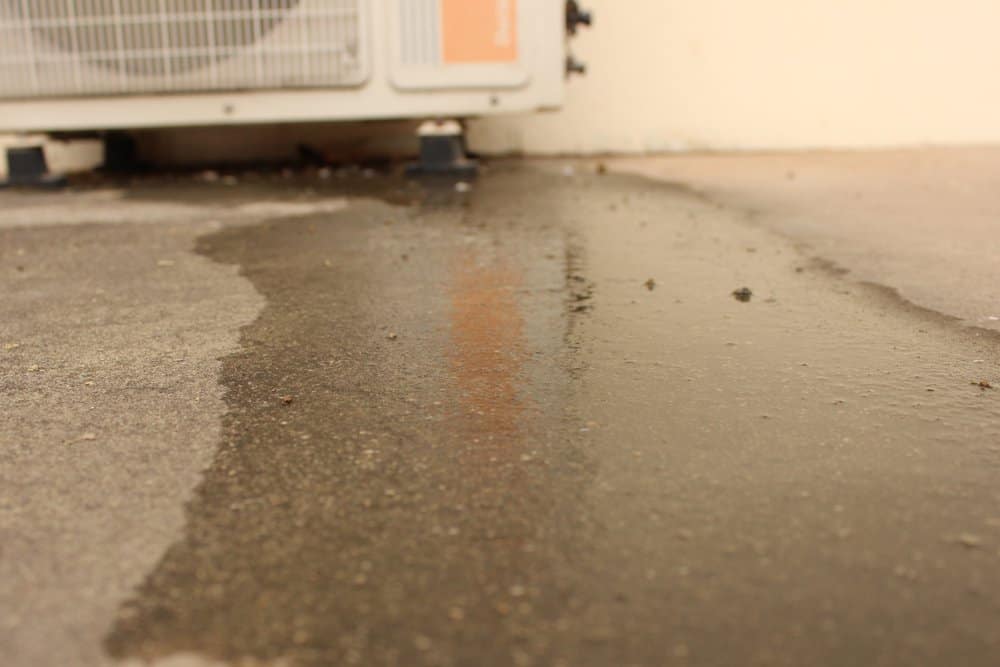
You have noticed water dripping from or pooling under your outdoor air conditioning unit. Before you panic and call for a repair, know this: some water from the outdoor unit is completely normal. But there are situations where outdoor unit water is a warning sign. This guide will help you tell the difference quickly, so you know whether to leave it alone or pick up the phone.
Is Water from the Outside Unit Normal?
Yes — in many circumstances, water from the outdoor unit is exactly what should be happening. Air conditioning systems move heat and moisture between indoor and outdoor environments, and water is a natural by-product of that process.
A few drips under the outdoor unit during or after operation is almost always normal. Continuous heavy pooling, water where it should not be, or water accompanied by performance problems are the signs that need attention.
Normal Causes of Outdoor Unit Water
Normal
During cold weather heating, ice can form on the outdoor coil. The system automatically enters Defrost Mode to melt it. The resulting water drains from the outdoor unit — sometimes significantly — for 5 to 30 minutes. This is a designed function, not a fault.
Normal
In warm, humid conditions, moisture condenses on the outdoor coil’s surface. You may see light dripping or a small amount of water under the unit, particularly on humid Sydney summer days. This is normal condensation and will stop when the system turns off.
Normal
On very humid days, the outdoor unit’s surface can accumulate moisture from the surrounding air — simply dew forming on a cold surface, just as a cold glass sweats on a warm day.
Normal
After the system runs hard on a very hot day, condensation may drip down the outdoor unit casing. A puddle that forms during a long cooling session and then dries within an hour is normal operating behaviour.
Causes That Need Attention
Not all outdoor unit water is benign. Here are the scenarios that indicate a problem requiring professional air conditioning repair:
Attention Required
If you see ice forming on the outdoor coil lines or refrigerant pipes outside the defrost cycle, this can indicate low refrigerant pressure from a leak. When the ice eventually melts, it produces water that may appear as an unusual leak. Turn the system off and book a technician.
Attention Required
Some outdoor unit designs include a small drain pan. If algae or debris blocks the drain, water backs up and overflows. Regular servicing prevents it.
Call a Technician
If you can see water streaming from within the outdoor unit itself — from the electrical compartment, around the compressor, or from connections — this is not condensation. Turn the system off and call a technician immediately.
Call a Technician
If the water coincides with the system not heating or cooling effectively, making unusual noises, or displaying a fault code, the water is a symptom of a larger issue. Do not continue running the system.
If you are uncertain whether the water you are seeing is normal, turn the system off at the remote and at the circuit breaker, and contact a technician. Running a system with an undiagnosed issue risks component damage that could turn a minor repair into a major one.
When to Call a Technician
- Ice forming on the outdoor unit or refrigerant lines outside of winter cold weather.
- Continuous, heavy water flow that does not stop after the system is off for 30 minutes or more.
- Water coming from the electrical compartment of the outdoor unit or from around electrical connections.
- Water combined with a fault code displaying on the indoor unit or remote.
- The system is not heating or cooling effectively and there is unusual water at the outdoor unit.
Outdoor Leaks vs Indoor Leaks: Key Difference
Water at the Outdoor Unit
Usually related to condensation (normal) or defrost cycle water (normal). Less commonly indicates refrigerant or component issues. The outdoor unit handles heat rejection — water here is a normal by-product in many conditions.
Water at the Indoor Unit
Water dripping or pooling near your indoor wall-mounted unit or from your ceiling vents is more likely a problem — typically a blocked condensate drain, frozen evaporator coil, or installation issue. If you are experiencing indoor unit leaks, see our air conditioning repair service for a same-day assessment.
Quick Check Before You Call
Is the water only at the outdoor unit and only during hot weather cooling or cold weather heating? If yes, check whether the volume is light and stops when the system turns off. If both are true, it is almost certainly normal condensation or defrost. Any other scenario: call a technician.
How to Prevent Water Problems
- Annual professional service. A qualified technician will inspect the condensate drain, check refrigerant pressure, clean coils, and confirm everything is draining correctly.
- Clean the indoor filter regularly. A clogged indoor filter causes the evaporator coil to freeze and then flood when it defrosts.
- Keep the outdoor unit clear. Debris around the outdoor unit can redirect draining water. Maintain at least 300mm clearance around the unit.
- Check the unit is level. An outdoor unit that has shifted or tilted may allow water to pool inside the casing rather than drain away correctly.
If you are due for a service or have noticed unusual water behaviour from your outdoor unit, Air-Max’s servicing team covers Sydney and the Southern Highlands with same-week appointments in most areas.
Frequently Asked Questions
Is it normal for water to drip from the outside unit of an air conditioner?
Yes, in many situations. During cooling mode on a humid day, light condensation on the outdoor unit is normal. During winter heating operation, the system enters Defrost Mode periodically, which produces water as ice on the outdoor coil melts. Both are designed functions. What is not normal is heavy continuous water flow, water from electrical compartments, or water accompanied by performance problems or fault codes.
Why is there a big puddle of water under my outdoor air conditioner in winter?
This is almost certainly Defrost Mode. In cold weather, ice forms on the outdoor coil during heating operation. Your system automatically reverses the refrigerant cycle to melt the ice, producing a sometimes-substantial amount of water that drains from the unit. The puddle will appear and then stop once the defrost cycle completes — typically within 15 to 30 minutes. This is normal and nothing to worry about.
My outdoor unit is leaking water and not cooling properly — what should I do?
Turn the system off and call a technician. When water at the outdoor unit coincides with reduced heating or cooling performance, it often indicates a refrigerant issue — most likely a leak that has lowered system pressure. Running the system with low refrigerant risks compressor damage.
Should I be worried about water coming from my outdoor unit in summer?
Light condensation dripping during summer cooling is normal, especially on humid days. However, if the volume is large, the water appears to be coming from inside the unit, or the system is not cooling effectively, it warrants a professional inspection.
How do I stop my air conditioner outdoor unit from leaking?
If the water is normal condensation or defrost water, nothing needs to be done. If the water is problematic (heavy, continuous, or accompanied by fault codes), the solution depends on the cause: a blocked drain needs clearing, low refrigerant requires a licensed technician to locate and fix the leak and recharge the system, and a misaligned unit may need re-levelling.
